
Bring This to Your Thanksgiving Table
/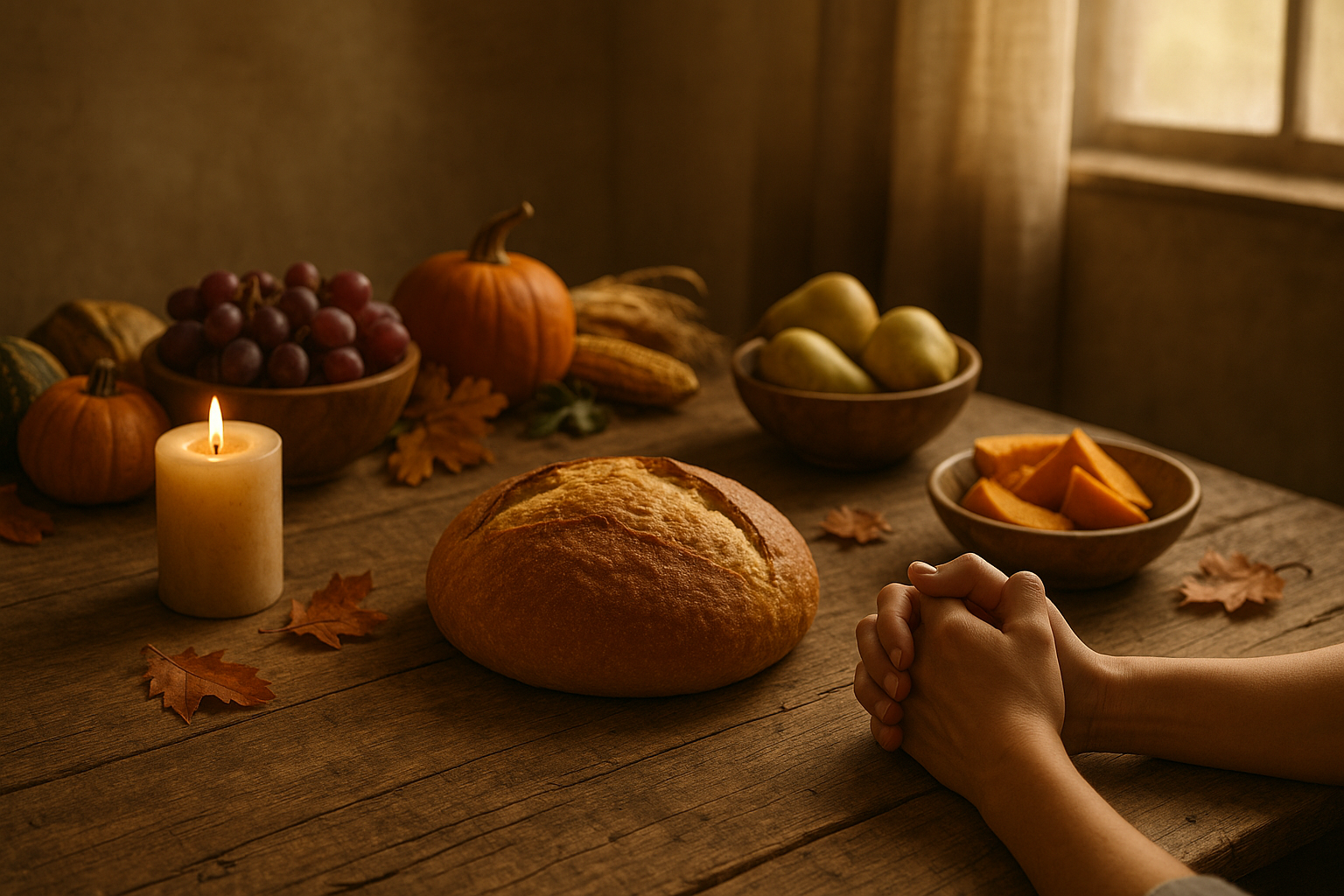
AI Generated image
But godliness with contentment is great gain, for we brought nothing into the world, and we cannot take anything out of the world. But if we have food and clothing, with these we will be content (1 Timothy 6:6–8).
Everyone desires a life marked by satisfaction and peace of mind. Contentment offers precisely this: a settled satisfaction that arises from gratitude for what God has provided and trust in what He has promised. As we prepare our Thanksgiving tables with abundance, tradition, and fellowship, it is easy to overlook the one virtue that gives meaning to it all: contentment.
Contentment is one of the keys to living a life of inner calm and lasting satisfaction. This peace of mind is the fruit of learning to be content with what God has providentially given us. Contentment is not passivity, nor is it a lack of ambition. Rather, contentment is the opposite of covetousness. It is humble gratefulness for what God, in His infinite wisdom, has provided. It arises from trusting God to meet our present and future needs (Matthew 6:25–34) and learning the spiritual discipline of being satisfied with what He has given, whether little or much.
Contentment does not arise naturally in the human heart. Our nature is often discontented, always wanting more. Our culture feeds this restlessness by training us to focus on what we lack rather than what we have received. We are bombarded daily with messages declaring that if only we had more, we would be happy. These messages are designed to ignite discontent, to convince us that happiness lies perpetually beyond our reach. This is why contentment must be nurtured and cultivated as a spiritual discipline.
The Apostle Paul understood this truth. He wrote to the Philippians, “I have learned in whatever situation I am to be content. I know how to be brought low, and I know how to abound. In any and every circumstance, I have learned the secret of facing plenty and hunger, abundance and need. I can do all things through him who strengthens me” (Philippians 4:11–13). Contentment was not automatic for Paul; it required practice and dependence on God’s grace and strength.
The Thanksgiving season offers us a beautiful opportunity to practice contentment. We gather around tables filled with food, surrounded by family and friends, reminded of God’s generosity. Yet if we neglect the posture of the heart, the feast remains incomplete. Contentment brings satisfaction and peace while nurturing gratitude, and these two virtues reinforce each other. Thanksgiving reminds us that we have received far more than we deserve, that our Father has provided richly for our needs (James 1:17), and that He has promised continued provision when we seek His Kingdom and righteousness first (Matthew 6:33).
This Thanksgiving, as we give thanks for all our blessings, I encourage each of us to bring contentment to the table. The virtues of contentment and gratitude are countercultural, but they are spiritually transformative. They lead to the very things we all desire: satisfaction and a mind at peace.